
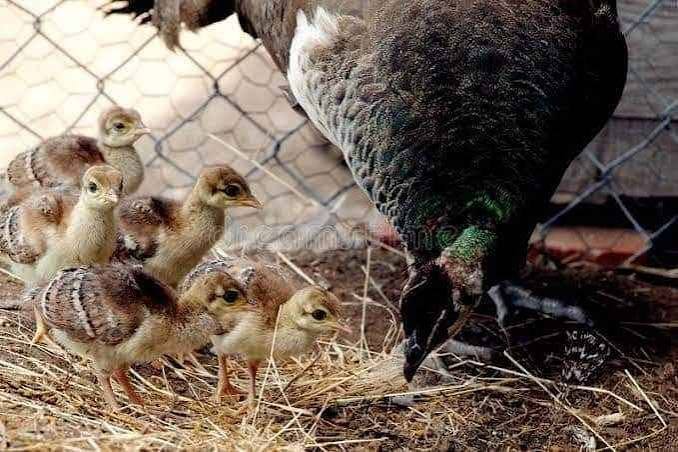
Raising young peafowl can be an exciting and rewarding experience for anyone interested in ornamental birds and backyard poultry keeping. Known for their beautiful feathers, distinctive calls, and graceful baby peacocks for sale appearance, peafowl attract attention as they grow from small, delicate chicks into impressive adult birds. However, caring for baby peacocks requires preparation, patience, and a good understanding of their needs. Before bringing young peafowl home, it is important to know how to provide suitable housing, balanced nutrition, proper warmth, and a safe environment.
Whether you are a first-time bird keeper or an experienced poultry enthusiast, understanding what to expect after purchasing baby peacocks will help you establish a healthy routine and give your birds the best possible start.
Understanding Baby Peafowl
Baby peafowl are commonly called peachicks. They are delicate during their earliest weeks and require more attention than mature birds. Although they eventually become strong and independent, young peachicks depend on their caregivers for suitable temperatures, clean water, appropriate food, and protection from potential dangers.
Peafowl are related to other members of the pheasant family, but their behavior and housing requirements can differ from those of ordinary chickens. As they mature, they become active, curious, and increasingly interested in exploring their surroundings.
Before purchasing peachicks, ask the breeder about their age, feeding routine, health history, and previous living conditions. Knowing whether the birds have already learned to eat independently will help you prepare appropriate care arrangements.
It is also important to confirm the species and sex of the birds when possible. Young males and females can be difficult to distinguish, so early identification may not always be reliable.
Preparing a Safe and Comfortable Brooder
One of the first responsibilities after buying baby peacocks is preparing a suitable brooder. A brooder is a protected enclosure that provides warmth, shelter, and enough space for young birds to move comfortably.
Newly hatched peachicks cannot regulate their body temperature as effectively as older birds. They therefore need a dependable heat source, especially during their first several weeks.
The brooder should be warm without becoming excessively hot. Provide a temperature gradient so chicks can move closer to or farther away from the heat source according to their needs. A thermometer helps you monitor conditions accurately, while observing the birds provides additional clues. Chicks crowding together and calling frequently may be cold, whereas chicks avoiding the heated area and panting may be too warm.
Use clean, dry bedding that provides secure footing. Slippery surfaces can contribute to leg problems in young birds, so avoid smooth flooring. Suitable bedding should be easy to replace and should not create excessive dust.
Good ventilation is equally important. Fresh air helps reduce moisture and unpleasant odors, but the brooder should not expose peachicks to cold drafts. Secure the enclosure against household pets, rodents, and other animals that might frighten or injure them.
Providing the Right Nutrition
Proper nutrition supports healthy growth, feather development, and normal activity. Baby peafowl need a complete feed formulated for the appropriate stage of development. A suitable game-bird starter feed is often recommended, but the exact formulation should be selected with guidance from an experienced breeder or avian veterinarian.
Avoid assuming that ordinary chicken feed will automatically meet every nutritional requirement of young peafowl. Different feeds can vary in their protein, vitamin, mineral, and energy content.
Fresh food should be available according to the feeding recommendations for the birds’ age. Keep feeders clean and position them where peachicks can reach them easily. Check regularly to make sure every chick is eating rather than allowing stronger birds to dominate access.
Fresh, clean drinking water must always be available. Use a shallow, chick-safe drinker that reduces the risk of accidental drowning. Clean it frequently because young birds can quickly contaminate their water.
Treats such as greens, grains, and insects should not replace a nutritionally complete starter feed. Introduce additional foods cautiously and seek advice about appropriate choices. Avoid spoiled food, salty snacks, and unbalanced homemade diets.
Helping Peachicks Adjust to Their New Home
Moving to a new environment can be stressful for young birds. They may initially appear quiet, cautious, or less active than expected. Giving them a calm, predictable environment can help them settle in.
During the first few days, limit unnecessary handling and loud noises. Provide consistent access to food, water, warmth, and shelter. Spend time observing the chicks so they become familiar with your presence without feeling threatened.
Watch each bird during feeding periods. A healthy chick generally shows interest in food, moves around normally, and responds to its surroundings. If one chick remains isolated, appears weak, or struggles to eat, investigate the cause promptly.
If you already keep other birds, avoid placing newly purchased peachicks directly into the existing flock. Quarantine new arrivals in a separate, appropriately equipped area for a period recommended by an avian veterinarian. This helps reduce the risk of introducing infectious diseases and gives you time to monitor their condition.
Monitoring Health and Daily Behavior
Daily observation is one of the most useful habits for anyone raising young peafowl. Small changes in behavior can provide early indications that something is wrong.
Check the birds each morning and evening. Look for normal movement, alertness, clean eyes, comfortable breathing, and consistent interest in food and water. Keep track of their growth and general condition rather than relying on appearance alone.
Pay attention to droppings, as significant changes may indicate dietary or health problems. However, droppings can vary naturally, so consider other symptoms and seek professional advice when necessary.
Warning signs include persistent lethargy, difficulty standing, unusual breathing, repeated diarrhea, poor appetite, or sudden changes affecting several chicks. Contact an avian veterinarian promptly if you notice these symptoms. Young birds can deteriorate quickly, and early professional attention is important.
Maintain a regular cleaning schedule. Remove wet bedding, wash feeders and drinkers, and disinfect equipment using products suitable for bird housing. Follow product instructions carefully and keep birds away from harmful fumes.
Preventive care should also include advice about parasite control, vaccination where appropriate, and local disease risks. A veterinarian familiar with game birds or ornamental poultry can help establish a suitable health plan.
Understanding Growth and Feather Development
Peachicks change considerably as they grow. During the earliest stage, their bodies are covered mainly in soft down. Over time, juvenile feathers emerge, their bodies become larger, and their movements grow more coordinated.
Growth rates depend on genetics, nutrition, health, housing, and environmental conditions. Avoid comparing every chick with a fixed timetable because individual birds can develop at different rates.
As the birds become more active, they will need additional space. Gradually expand their enclosure or transfer them to a larger, secure growing pen when they are ready. Make changes carefully so they can adapt without unnecessary stress.
Peafowl eventually develop strong flying and perching abilities. Their housing should therefore include secure overhead protection where appropriate, suitable perches for older birds, and barriers that prevent escapes.
The familiar, elaborate train associated with adult male peafowl develops much later than the chick stage. Owners should be prepared for a long-term commitment rather than expecting young birds to display adult plumage quickly.
Creating Suitable Housing as They Mature
Although a brooder is useful during early development, it is not a permanent home. Growing peafowl need room to walk, explore, stretch their wings, and engage in natural behaviors.
A spacious outdoor aviary or secure enclosure can provide a suitable environment when the birds are old enough for outdoor conditions. The enclosure should include protection from rain, wind, excessive heat, and cold weather.
Strong fencing and a secure roof or other appropriate overhead protection help prevent escapes and reduce exposure to predators. Local predators may include dogs, cats, foxes, and wild mammals, depending on the area.
Provide shaded sections, dry resting areas, and clean ground conditions. Avoid overcrowding because it can increase competition, stress, and the spread of disease.
As the birds mature, monitor their interactions. Some individuals may become dominant, and additional space or separate housing may be necessary if aggression develops.
Socialization and Long-Term Commitment
Peafowl are naturally curious and can become accustomed to regular human activity when handled gently and consistently. However, they are not domesticated in exactly the same way as many common poultry breeds.
Allow the chicks to approach you voluntarily when possible. Avoid chasing them around the enclosure or using forceful handling. Calm interactions help reduce stress and make routine care easier.
Before purchasing baby peacocks, consider the long-term responsibilities involved. Adult peafowl can be noisy, particularly during breeding season, and their calls may disturb nearby residents. They also require secure housing, ongoing food expenses, routine health care, and enough space to thrive.
Check local regulations before keeping peafowl. Depending on your location and the species involved, permits or other requirements may apply. Consider your neighbors, available land, and access to appropriate veterinary care before expanding your flock.
Conclusion
Raising young peafowl requires careful planning, consistent observation, and a willingness to learn as the birds develop. From preparing a warm brooder and providing balanced nutrition to monitoring health and building secure outdoor housing, each stage contributes to their long-term well-being.
The most important steps are to establish a safe environment before bringing the chicks home, follow appropriate feeding and temperature guidance, maintain excellent hygiene, and seek veterinary assistance when health concerns arise. As peachicks grow, their changing needs will require adjustments to their space, diet, and daily routine.
With responsible care and realistic expectations, raising baby peacocks can become a rewarding experience. Understanding their requirements from the beginning helps new owners build healthy habits and create an environment where these remarkable birds can grow into strong, beautiful adult peafowl.