
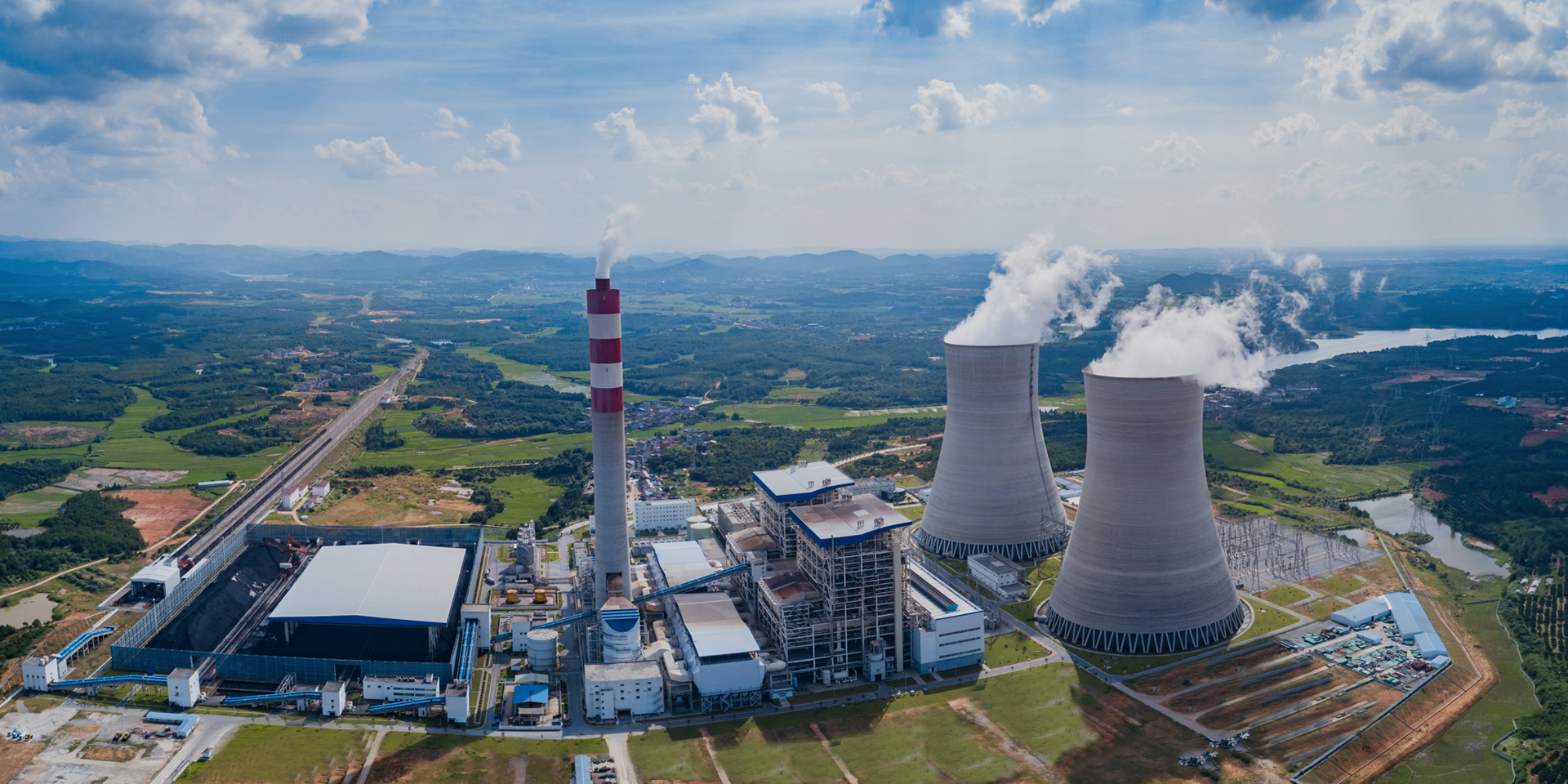
As industries increasingly prioritize sustainability and cost-efficiency, biomass-fired boiler island upgrades have emerged as a transformative solution for energy production. These upgrades not only enhance operational efficiency but also contribute to reducing carbon footprints, making them a strategic choice for modern facilities.
Understanding Biomass-Fired Boiler Island Upgrades
A boiler island is a central component of industrial energy systems, typically consisting of boilers, turbines, pumps, and associated control equipment. Traditional boilers often rely on fossil fuels like coal, oil, or natural gas, which contribute to greenhouse gas emissions and are subject to price volatility. In contrast, biomass-fired boiler island upgrades allow plants to transition to renewable fuel sources, such as wood chips, agricultural residues, or specially grown energy crops.
By upgrading existing boiler islands to biomass-fired systems, industries can maintain energy output while promoting environmental sustainability. These upgrades often involve retrofitting existing boilers, installing advanced combustion technology, and integrating modern control systems to optimize fuel usage and emissions performance.
Environmental Benefits
One of the most significant advantages of biomass-fired boiler island upgrades is their positive environmental impact. Biomass is considered carbon-neutral because the CO2 released during combustion is roughly equivalent to the CO2 absorbed by the plants during growth. This reduces reliance on fossil fuels and helps organizations meet regulatory requirements for emissions reductions.
Additionally, biomass-fired systems often produce lower levels of sulfur dioxide and nitrogen oxides compared to coal-fired boilers. By implementing these upgrades, industries can minimize their contribution to acid rain and air pollution while supporting local economies through sustainable biomass sourcing.
Economic Advantages
Beyond environmental benefits, biomass-fired boiler island upgrades offer substantial economic advantages. Utilizing locally sourced biomass can reduce dependence on imported fossil fuels, stabilizing operational costs and insulating businesses from global energy price fluctuations. The use of renewable fuel sources can also make facilities eligible for government incentives, grants, or tax benefits aimed at promoting green energy initiatives.
Moreover, upgrading existing boiler islands is often more cost-effective than constructing entirely new energy facilities. By retrofitting existing equipment with biomass-compatible technology, industries can achieve sustainability goals while maintaining financial feasibility.
Operational Efficiency and Reliability
Biomass-fired boiler island upgrades also enhance operational efficiency and reliability. Modern biomass combustion systems are designed to maximize energy output while minimizing fuel wastage. Advanced control systems enable real-time monitoring of fuel feed rates, temperature, and emissions, ensuring optimal performance under varying load conditions.
Upgraded boiler islands are often more flexible and capable of handling different types of biomass fuels, allowing plants to adjust fuel input based on availability and cost. This flexibility ensures continuous operation even when specific biomass feedstocks are scarce or seasonal.
Contribution to Circular Economy
Adopting biomass-fired boiler island upgrades supports a circular economy by converting agricultural and forestry residues into valuable energy. Waste materials that would otherwise be discarded or burned inefficiently can be repurposed, reducing landfill usage and promoting resource efficiency.
Industries that implement biomass upgrades often create local supply chains for biomass collection, processing, and transportation. This not only strengthens local economies but also reduces the environmental impact associated with long-distance fuel transport.
Integration with Existing Systems
One key advantage of biomass-fired boiler island upgrades is their compatibility with existing industrial infrastructure. Retrofitting current boiler islands with biomass technology allows facilities to modernize without significant downtime or disruption to operations. This integration ensures a smoother transition to renewable energy, minimizing risks associated with entirely new construction projects.
Modern biomass systems can also be designed to complement combined heat and power (CHP) setups, maximizing the utility of energy produced and improving overall plant efficiency. By leveraging existing steam distribution networks, plants can achieve higher energy efficiency and better resource utilization.
Long-Term Sustainability
Investing in biomass-fired boiler island upgrades is a strategic step toward long-term sustainability. As regulatory frameworks become stricter and carbon pricing mechanisms evolve, industries that adopt renewable energy solutions early are better positioned to meet compliance requirements and reduce environmental liabilities.
Upgraded boiler islands also contribute to corporate sustainability goals, enhancing brand reputation and stakeholder confidence. Organizations that prioritize renewable energy and emissions reduction demonstrate their commitment to social responsibility, attracting eco-conscious clients and investors.
Technological Advancements
Recent advancements in biomass combustion technology have made boiler island upgrades more efficient and environmentally friendly than ever. Innovations such as automated fuel feeding systems, high-efficiency burners, and advanced emissions control technologies help optimize performance and reduce maintenance requirements.
Digital monitoring and predictive maintenance tools further enhance reliability by detecting potential issues before they lead to operational downtime. By integrating these technologies, biomass-fired boiler island upgrades offer a future-ready solution that aligns with the evolving energy landscape.
Challenges and Considerations
While the benefits of biomass-fired boiler island upgrades are substantial, there are some challenges to consider. Ensuring a consistent supply of biomass fuel is critical for continuous operation. Facilities need to establish reliable procurement strategies and consider seasonal variations in biomass availability.
Additionally, initial capital investment and retrofitting costs can be significant, though they are often offset by long-term savings on fuel and emissions-related expenses. Proper staff training and operational adjustments are also necessary to maximize the efficiency and longevity of upgraded systems.
Conclusion
Biomass-fired boiler island upgrades represent a compelling intersection of sustainability, efficiency, and economic viability. By transitioning to biomass fuel, industries can significantly reduce carbon emissions, optimize operational performance, and support local economies. These upgrades not only modernize existing infrastructure but also align with global efforts toward renewable energy adoption and circular economy principles.
For industries committed to sustainable growth, biomass-fired boiler island upgrades provide a practical, future-oriented solution. They enable facilities to reduce environmental impact, achieve regulatory compliance, and improve cost efficiency—all while maintaining reliable and high-performing energy systems. In an era where energy sustainability is no longer optional, investing in biomass-fired boiler island upgrades is a step toward a cleaner, greener, and more resilient industrial future.